Huma - Modernising Healthcare at Global Scale
A multi-product design and development engagement spanning eight distinct AI-powered clinical products and mobile apps – each built to clinical-grade standards and deployed across Huma’s global network of 3,000+ hospitals in 70+ countries.
Platform + Application
Reimagining the Huma experience
BACKGROUND
About Huma
Huma is a global healthcare technology company powering the Huma Cloud Platform (HCP) – an AI-first health operating system deployed across 3,000+ hospitals and clinics in 70+ countries.
Huma partnered with our team to design and engineer eight distinct AI-powered clinical products and mobile apps, each targeting a specific high-impact challenge across primary care, emergency medicine, chronic disease, population health, and clinical research.
AI-powered clinical products and mobile apps designed
Of the 8 products include a companion patient-facing mobile app (iOS & Android)
Hospitals and clinics across 70+ countries with access to the deployed product suite
Millions
Patients whose care outcomes are shaped by the platforms we built for Huma
THE PROBLEM
The Shared Clinical Challenges Across All Eight Products
While each product targets a distinct clinical area, all eight shared common engineering and design challenges – rooted in the complexity of building regulated, real-time, AI-powered products for healthcare environments where the stakes are always high.
Fragmented Real-Time Data
Each product needed to aggregate live patient data from EHRs, wearables, IoT devices, and patient-reported inputs – across systems that rarely talk to each other – and surface it as actionable clinical insight in real time.
Multiple Clinical User Types Per Product
Every product served distinct user groups – GPs, emergency nurses, neurologists, midwives, researchers – each requiring different permissions, views, and workflows within a single, unified clinical-grade platform.
Regulatory Compliance at Scale
All eight products required simultaneous compliance with GDPR, HIPAA, EU MDR, and regional health data regulations – demanding a compliance-first architecture baked into every product from day one.
Patient-Facing App Complexity
Six of the eight products required a companion patient mobile app – each needing to make clinical concepts accessible to non-medical users while feeding structured, reliable data back into the clinical AI models.
Speed & Clinical Pressure
From A&E triage to MG symptom tracking, clinical staff needed to act on AI-generated insights in seconds – demanding UX that prioritises speed, clarity, and zero cognitive overhead under high-pressure conditions.
Eight Products, One Design System
Building eight distinct clinical products demanded a shared design system rigorous enough to enforce clinical-grade usability standards across all products while giving each product its own visual identity and workflow logic.
Our Process
How We Work: Discovery to Launch
Building eight regulated AI clinical products demanded a process that could run in parallel across multiple clinical domains — with shared infrastructure and a unified design system, while preserving the clinical specificity each product required.
Phase 01 · 3 Weeks
Clinical Discovery Across All Eight Domains
Separate discovery sprints per product - embedding with GPs, neurologists, A&E nurses, midwives, cardiologists, population health leads, and clinical trial managers to define the clinical problem, available data, and required outcomes for each product independently.
Phase 02 · 2 Weeks
Clinical & Patient User Research
We mapped clinical and patient personas for every product - building distinct UX requirements for each clinical speciality and each patient population, from anxious first-time mothers managing GDm to neurologists tracking rare MG progression over months.
Phase 03 · 3 Weeks
AI Architecture & Product Wireframing
Shared data infrastructure designed for all eight products - then product-specific AI model architecture, clinical dashboard wireframes, and mobile app wireframes built per product, with clinical validation at each stage before any visual design began.
Phase 04 · 4 Weeks
Unified Clinical Design System & Product UI
A single clinical design system in Figma - shared across all eight products - with product-specific colour systems, iconography, and UI patterns for each clinical area. Every screen validated with clinical staff before engineering handoff.
Phase 05 · 14 Weeks
Parallel Development, AI Integration & Clinical QA
Full-stack development across all eight products in parallel - AI model integration, real-time data pipelines, six iOS & Android mobile apps, and eight clinical dashboards - with regulatory-grade QA, security audits, and compliance reviews before any patient data touched any system.
Phase 06
Sequenced Launch, Training & Optimisation
Sequenced rollouts per product across pilot hospitals - clinical staff onboarding, real-world AI model performance monitoring, and ongoing optimisation driven by clinician feedback and patient outcome data from live deployments globally.
Eight Products Built
The Full Product Suite We Designed & Developed
Eight clinical products. Six with patient-facing mobile apps. Each solving a distinct, high-stakes problem in modern healthcare – from the GP reception desk to the emergency department, from gestational diabetes wards to global pharmaceutical trials.
01 · Primary Care
AI-First Primary Care
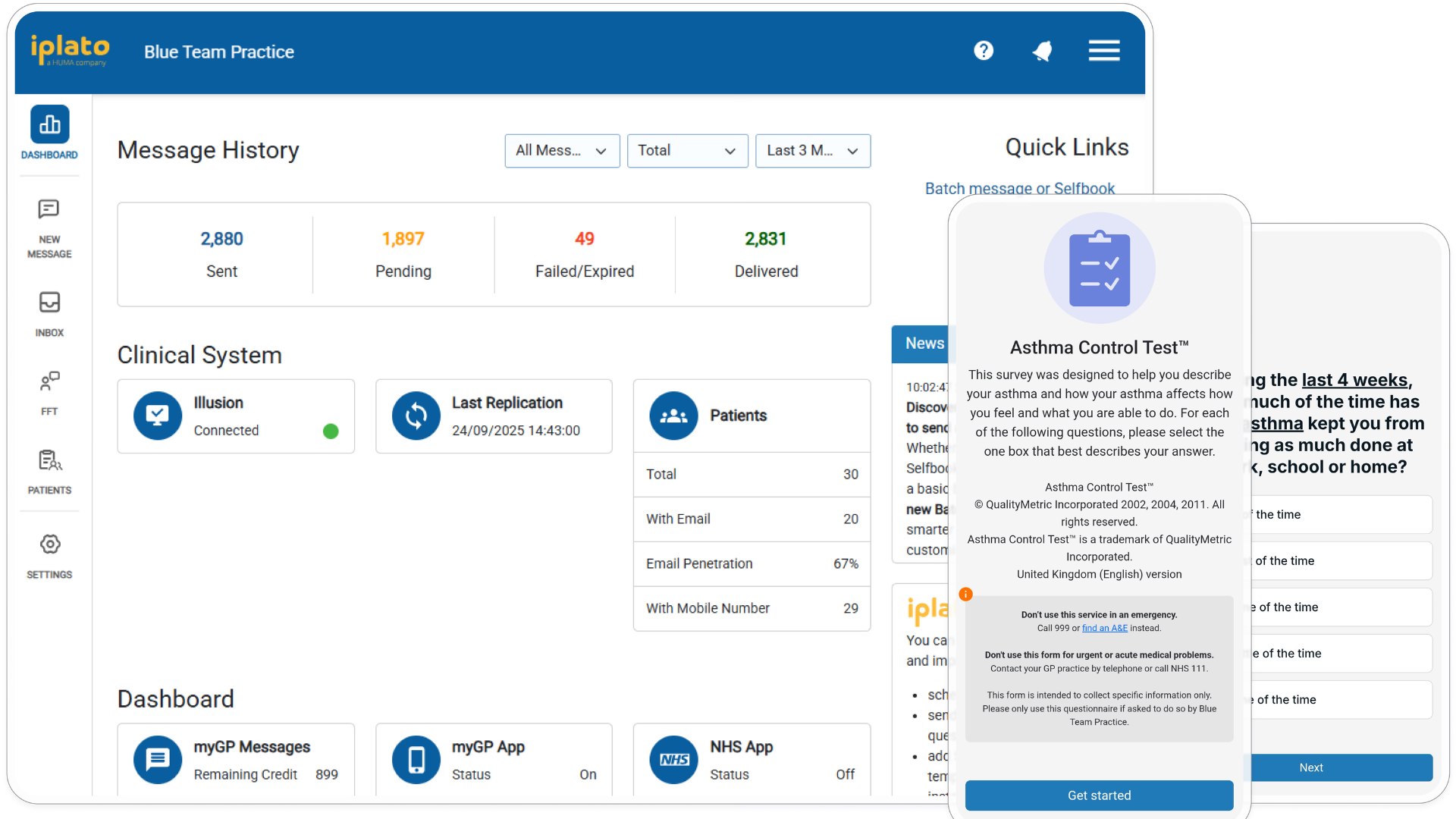
An AI-powered primary care platform that helps GP practices manage rising patient demand – triaging requests, prioritising appointments, automating routine admin, and surfacing the patients who need urgent attention before they reach crisis point.
02 · GP Digital Access
Huma myGP
A patient-facing GP access app that lets patients book appointments, request prescription repeats, view their health records, and message their practice directly – reducing reception call volume and giving patients 24/7 digital access to their GP practice.
03 · Neurology
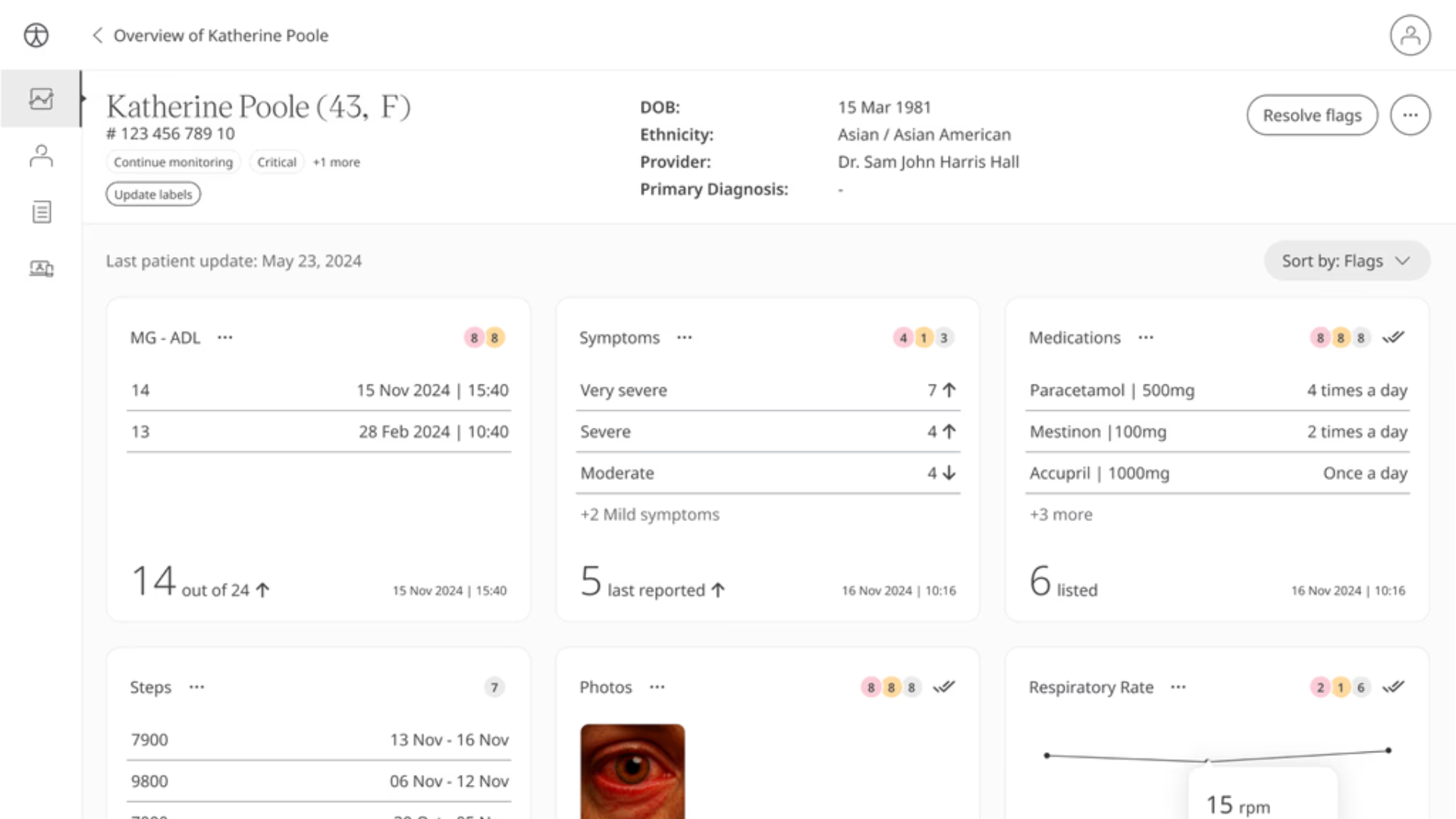
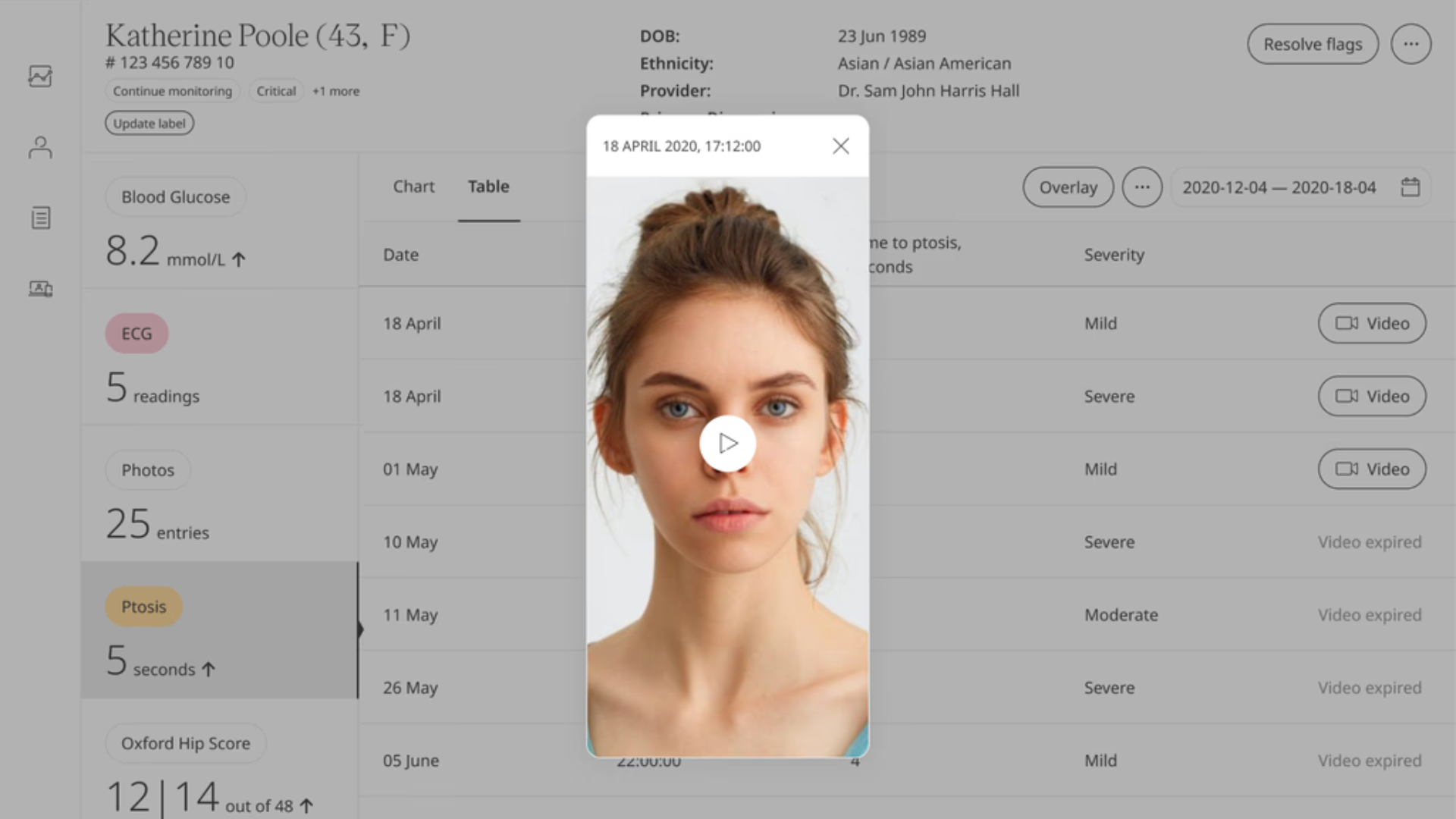
Myasthenia Gravis
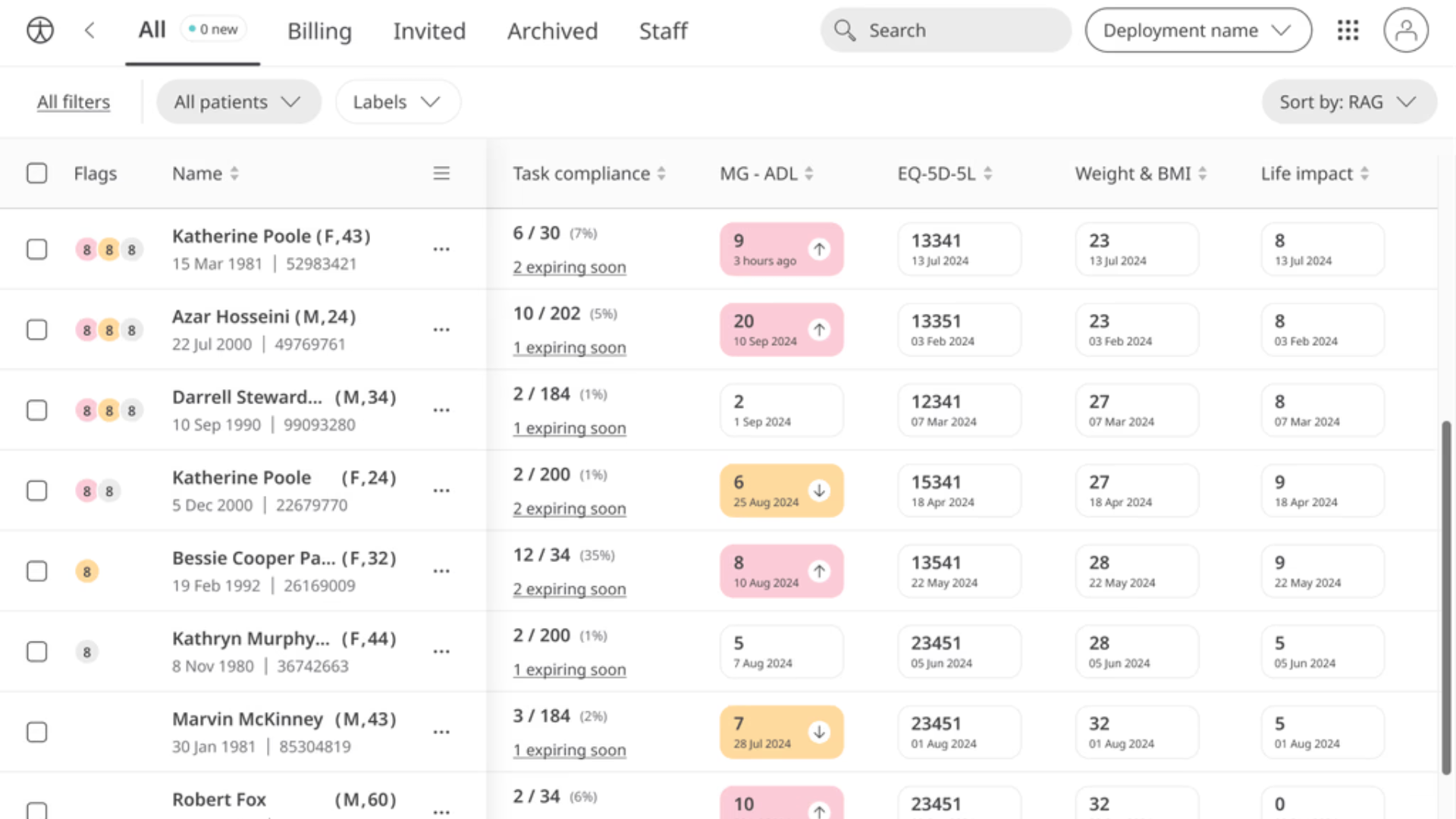
An AI-powered remote monitoring platform for Myasthenia Gravis – using computer vision to objectively quantify MG symptoms from patient-captured video between clinic visits, giving neurologists continuous clinical insight without requiring in-person appointments.
04 · Emergency Medicine
A&E eTriage
An AI-powered emergency department triage system that rapidly stratifies patient acuity as they arrive – surfacing critical cases instantly and helping A&E teams prioritise life-threatening conditions in high-pressure, high-volume environments.
05 · Maternal Health
GDm Health
A remote monitoring platform for gestational diabetes that enables pregnant women to self-monitor blood glucose levels at home – feeding data directly to clinical teams and reducing the need for frequent, resource-intensive in-person appointments throughout pregnancy.
06 · Population Health
Pop Health
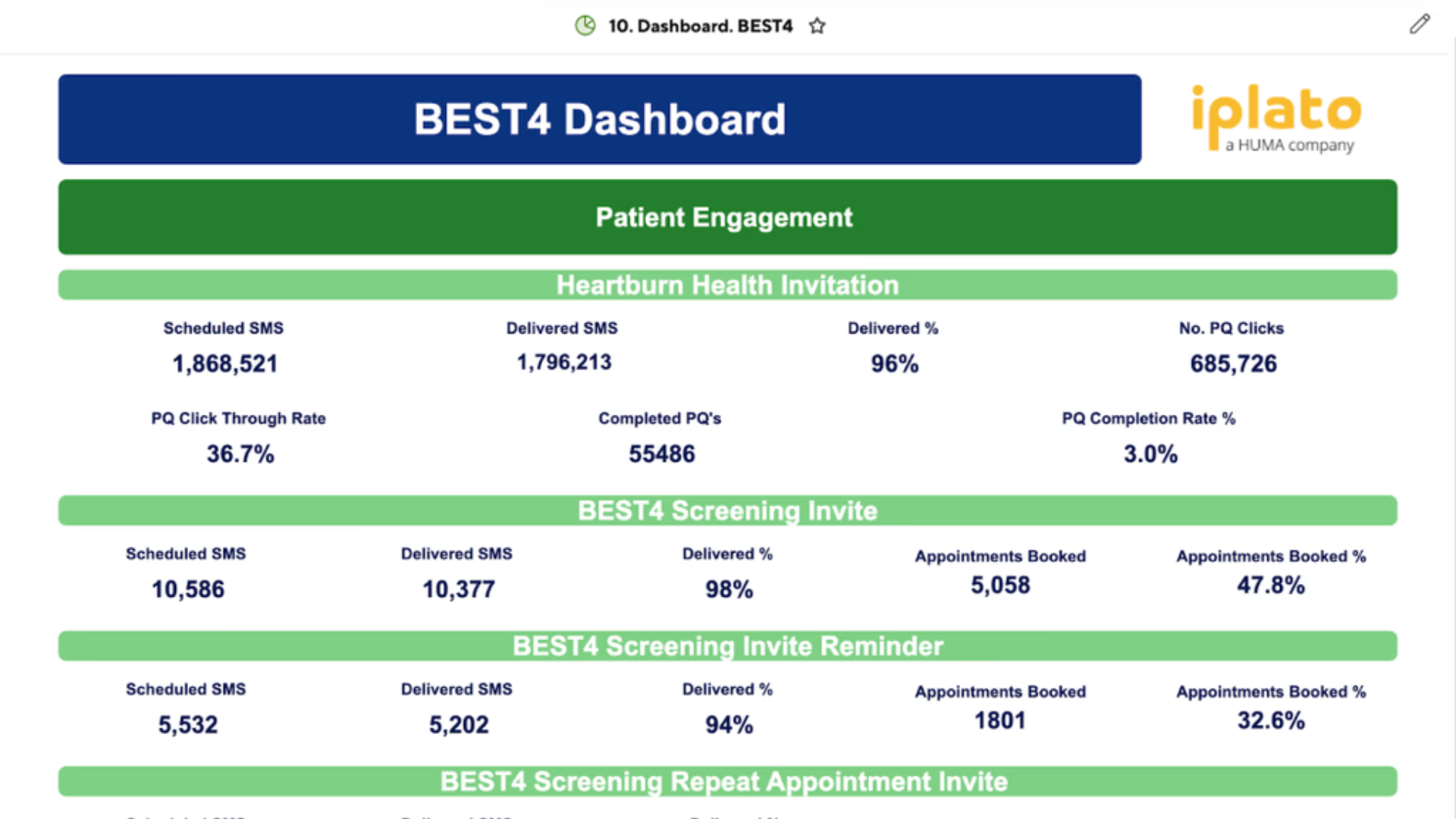
An AI-driven population health management platform that identifies, segments, and activates disengaged patient populations – using personalised digital outreach to connect hard-to-reach patients to preventive care pathways before their conditions escalate.
07 · Cardiology
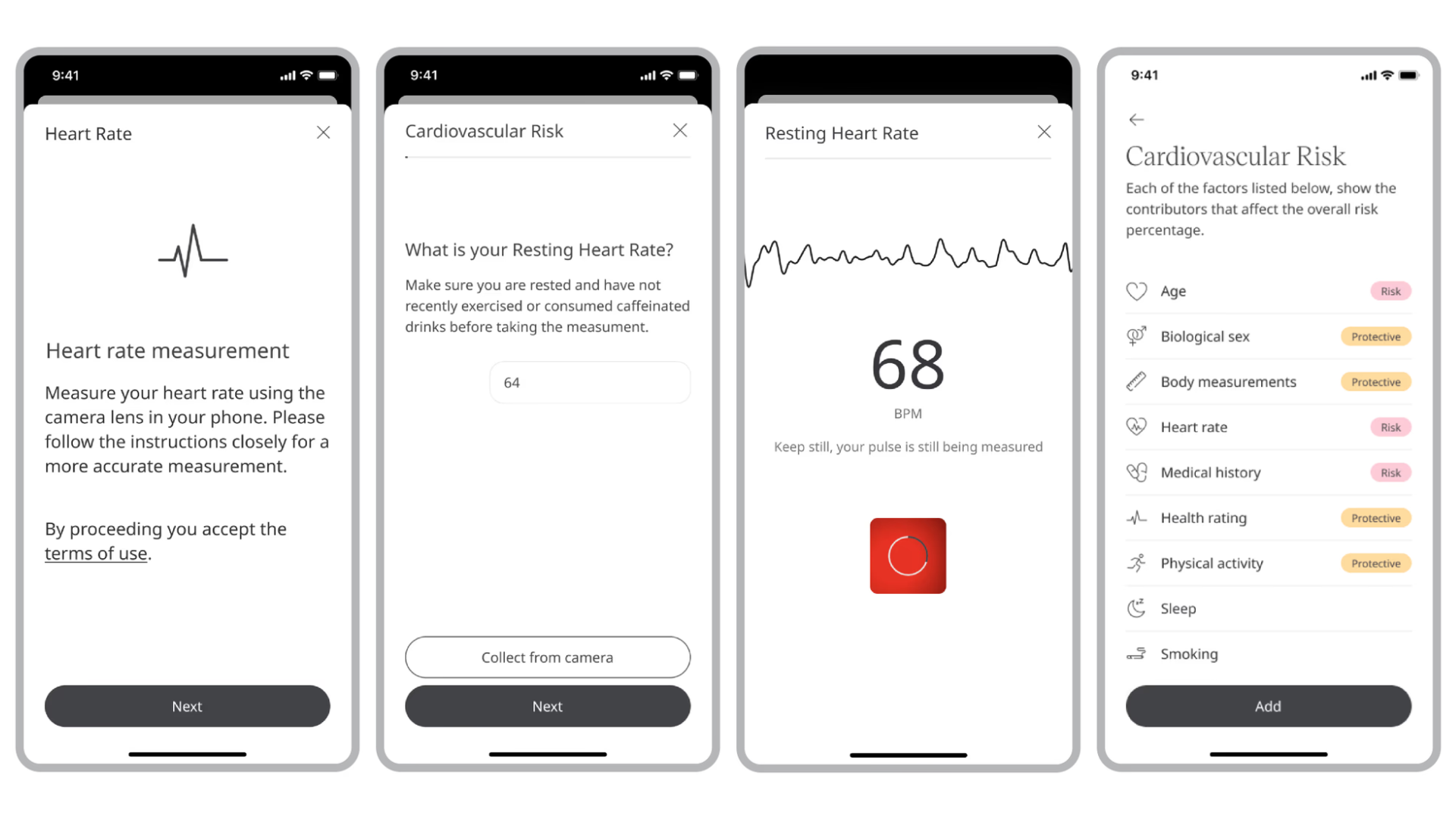
CVD AI Screening
A population-level cardiovascular disease screening platform that uses AI to identify high-risk individuals before symptoms emerge – analysing patient data streams to generate personalised CVD risk scores and surface the patients who need urgent clinical intervention.
08 · Clinical Research
Clinical Trials
A decentralised clinical trial management platform that accelerates trial setup, simplifies patient enrolment, and enables real-world data collection at scale – making complex pharmaceutical and academic trials faster to start, easier to run, and simpler to scale globally.
Features Delivered
Modules & Features Implemented
AI-First Primary Care — demand triage & appointment prioritisation
myGP — patient app for bookings, prescriptions & GP messaging
MG — computer vision AI symptom quantification & remote monitoring
A&E eTriage — real-time AI patient acuity stratification
GDm Health — remote glucose monitoring & clinical dashboard
Pop Health — AI patient segmentation & activation workflows
CVD Screening — population-level cardiovascular risk scoring
Clinical Trials — decentralised trial management & patient enrolment
6 patient-facing iOS & Android mobile apps across the suite
Shared real-time data pipeline — EHR, wearables & IoT
Role-based access across all products — clinicians, patients, admins
GDPR, HIPAA & EU MDR compliance architecture across all eight
Technology Stack
Clinical-Grade AI Infrastructure