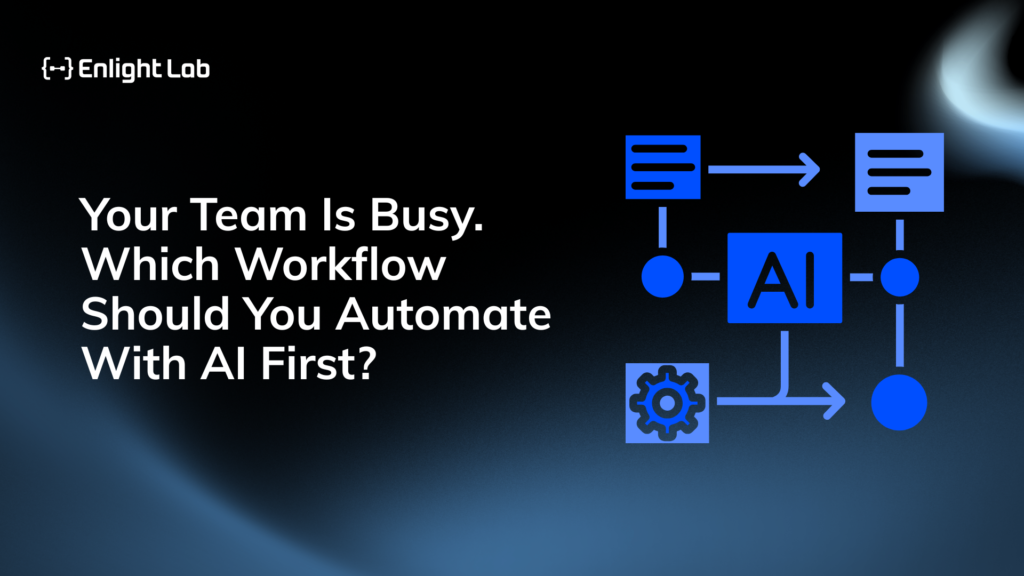
Your Team Is Busy. Which Workflow Should You Automate With AI First?
A practical guide for founders who want to reduce repetitive work and choose an AI investment that makes business sense. Your sales team spends hours

A practical guide for founders who want to reduce repetitive work and choose an AI investment that makes business sense. Your sales team spends hours
TL;DR: AI memory systems are the architectural layer that determines what an AI agent knows, retains, and recalls during and between interactions. Short-term memory operates
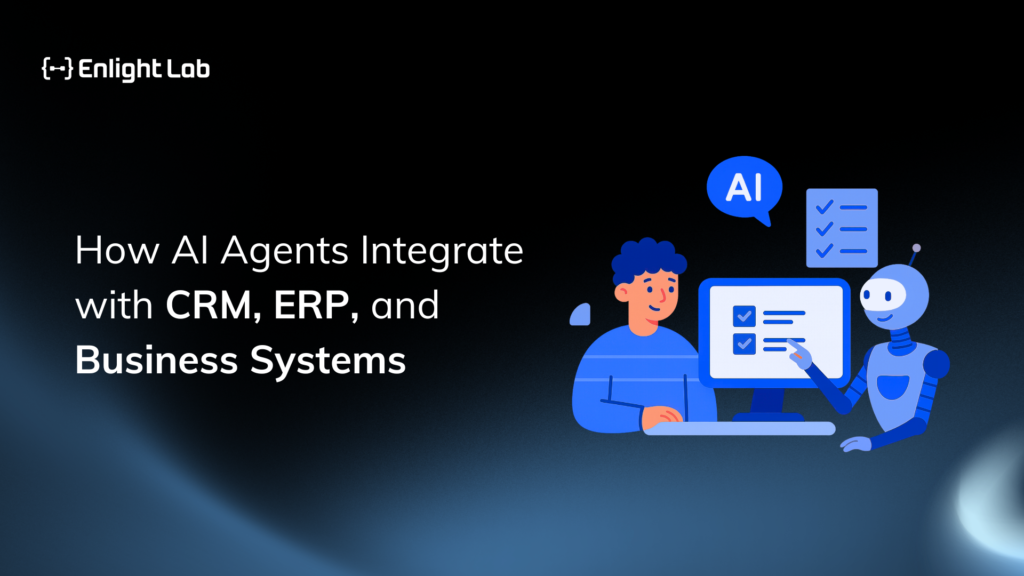
Short Answer: AI agents integrate with CRM, ERP, and business systems through REST APIs, webhooks, OAuth authentication, and RAG pipelines. They act as an orchestration
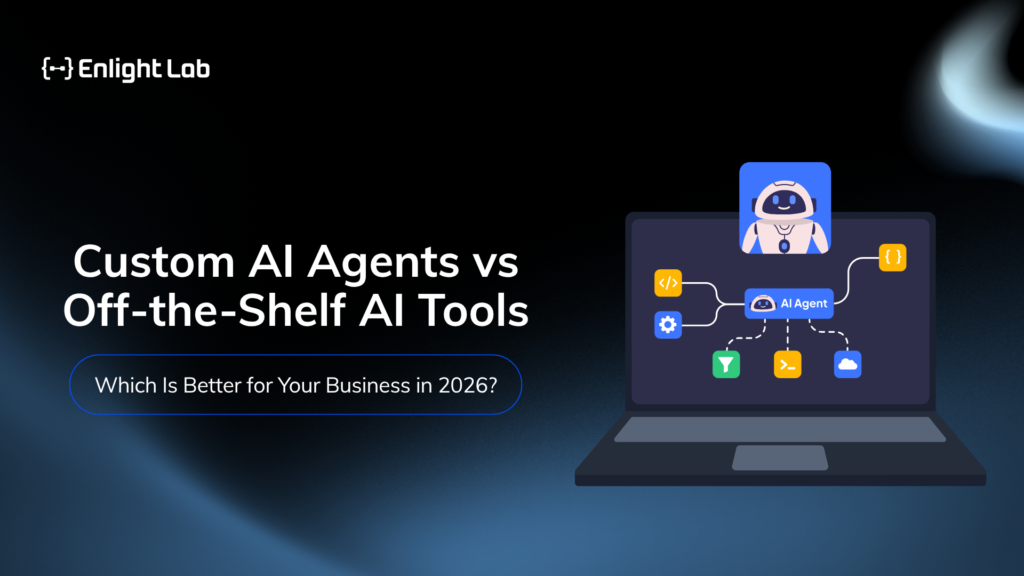
TL;DR: The custom AI agents vs off-the-shelf AI tools debate does not have a universal winner. Off-the-shelf tools deploy in weeks and cover roughly 70%
Quick Answer: Building AI applications with Claude requires five foundational elements: clear business objectives, well-prepared enterprise data, a Retrieval-Augmented Generation (RAG) architecture, secure system integrations,
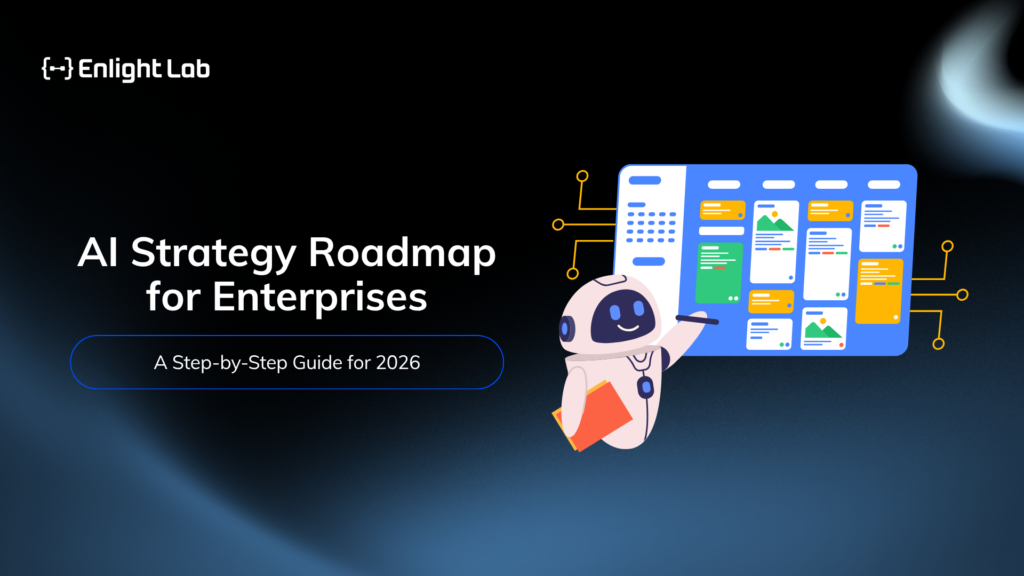
Quick Answer: An enterprise AI strategy roadmap is an eight-phase execution plan that moves your organization from scattered pilots to production-scale AI. The eight phases
Quick Answer: Direct Answer: AI consulting helps you decide what to build and whether to build it. AI development builds it. Most enterprise AI projects
Direct Answer: Most AI agent projects fail not because the technology is broken, but because of poor problem scoping, weak data infrastructure, security gaps, and
Choosing the wrong AI chatbot development partner costs far more than the initial contract value. It costs customer trust, operational efficiency, and future flexibility. The
Quick Answer: AI voice agents in healthcare use ASR, NLP, LLMs, and TTS to automate patient scheduling, symptom triage, medication reminders, clinical documentation, post-discharge follow-ups,